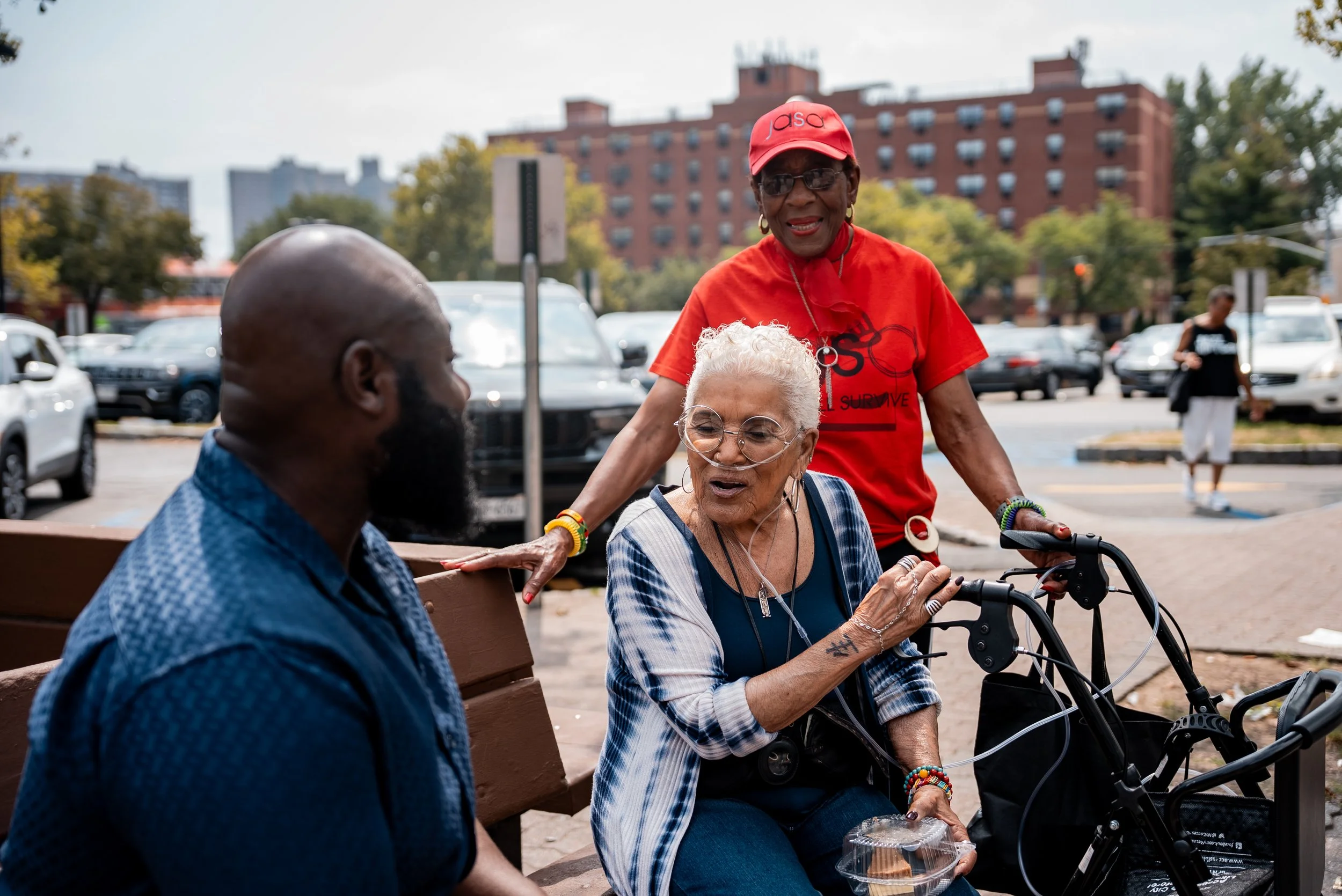
Affordable & Accessible Senior Housing: Push for more deeply affordable senior-housing units in the district, ideally with supportive services (onsite health, wellness, social space) so seniors can age in place. Retrofit existing housing for accessibility (ramps, elevators, accessible bathrooms, etc). Encourage “universal design” in all new residential construction.
Healthcare & Home/Community-Based Services: Expand in-home care/professional assistance programs so that seniors with mobility or health issues can stay in their homes longer. Increase availability of mobile health clinics, telehealth options, mental health for elders. Expand nutrition programs: senior meal delivery, congregate meal sites, ensuring food access, particularly for low income seniors.
Transportation & Mobility: Enhance free or low-cost, reliable transportation for elders: shuttle services, better public transit accessibility (ramps, low-floor buses, safe bus shelters). Sidewalk maintenance, better lighting, safe crosswalks to reduce fall risk and improve walkability for seniors. Expand driver safety programs further and perhaps subsidize insurance or other costs for seniors.
Social/Recreational/Community Engagement: Provide more senior centers open with social/recreational programming, arts, classes, socialization to reduce isolation. Offer intergenerational programming (linking youth and elders) for both social benefit and sharing of skills. Increase funding for combating loneliness and mental health challenges among elders (e.g depression, isolation).
Financial Security and Legal Protections: Stronger protections against elder abuse, financial exploitation, fraud: more outreach, legal aid, reporting mechanisms. Expand property tax relief programs; ensure eligibility thresholds are high enough/graduated to cover more seniors. Help seniors with financial literacy: programs on budgeting, avoiding scams, using public benefits. Assist with energy cost assistance, utility discounts (since heating/cooling often burden seniors).